Tooth Brushing – Straight from your Dentist’s Mouth!

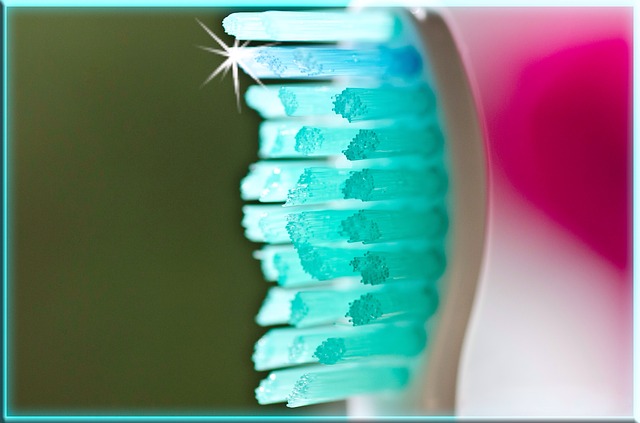
Christchurch Dental Practice toothbrush image
Daily tooth brushing should take 2 minutes with gentle pressure

Tooth Brushing – Straight from Your Dentist’s Mouth

Brushing your teeth is something we do every day, but you’d be surprised how often I’m asked at the practice how to do it properly — or whether people are doing it right in the first place.

Here’s what I tell my patients, straight from the chair.


How often?

Brush twice a day — ideally after breakfast and before bed.
If you brush before breakfast, rinse afterwards or chew sugar-free gum to help neutralise any food acids.


How long?

Two minutes.
That’s about 30 seconds for each quarter of your mouth. If your toothbrush has a built-in timer, make use of it. Otherwise, watch the clock or put on a two-minute song.


Technique

Manual toothbrush:
Choose one with a small head and soft bristles. Hold the brush at a 45-degree angle to your gum line and use small, gentle circular motions. No scrubbing — brushing too hard can wear away enamel and cause gum recession.

Electric toothbrush:
Let the brush do the work. Slowly guide it across each tooth surface — along the outside, inside, and chewing surfaces. Take your time.


What about toothpaste?

Use fluoride toothpaste — it helps strengthen enamel and protect against decay.
Be cautious with whitening toothpastes: many are abrasive and can wear enamel over time.
If your teeth feel sensitive, switch to a sensitive formula for a few weeks and let us know at your next visit.


Don’t forget between your teeth

Floss, interdental brushes, or water flossers — whatever works best for you. Around 40% of plaque lives between the teeth, and brushing alone won’t remove it.

We’ll happily show you what works best for your mouth next time you’re in.


Common mistakes

  • Scrubbing too hard or using a hard-bristled brush — both damage the gums and enamel.
  • Brushing straight after acidic food or drink — wait at least 30 minutes if you can.
  • Not replacing your toothbrush often enough — change it every three months or when the bristles start to fray.

Electric or manual?

Both can be effective with the right technique, but electric brushes make things easier — especially for people with limited dexterity or if you’re prone to brushing too hard.

Oscillating-rotating heads and sonic brushes both have strong evidence behind them. Ask us if you’re unsure what to use.


Final thought

Good brushing isn’t about brushing harder — it’s about brushing better.

If you’re unsure whether you’re doing it right, bring your toothbrush to your next appointment. We’ll take a look at your technique and give you tips if needed — no judgement, just helpful advice.


Last updated: August 2025

Want to know more?

Visit us at:
🔗 http://www.christchurchdental.co.uk
Posted in General Dentistry | Tagged , , , , , , , , , , , , | Leave a comment

What Does Losing a Tooth Actually Do to Your Face?

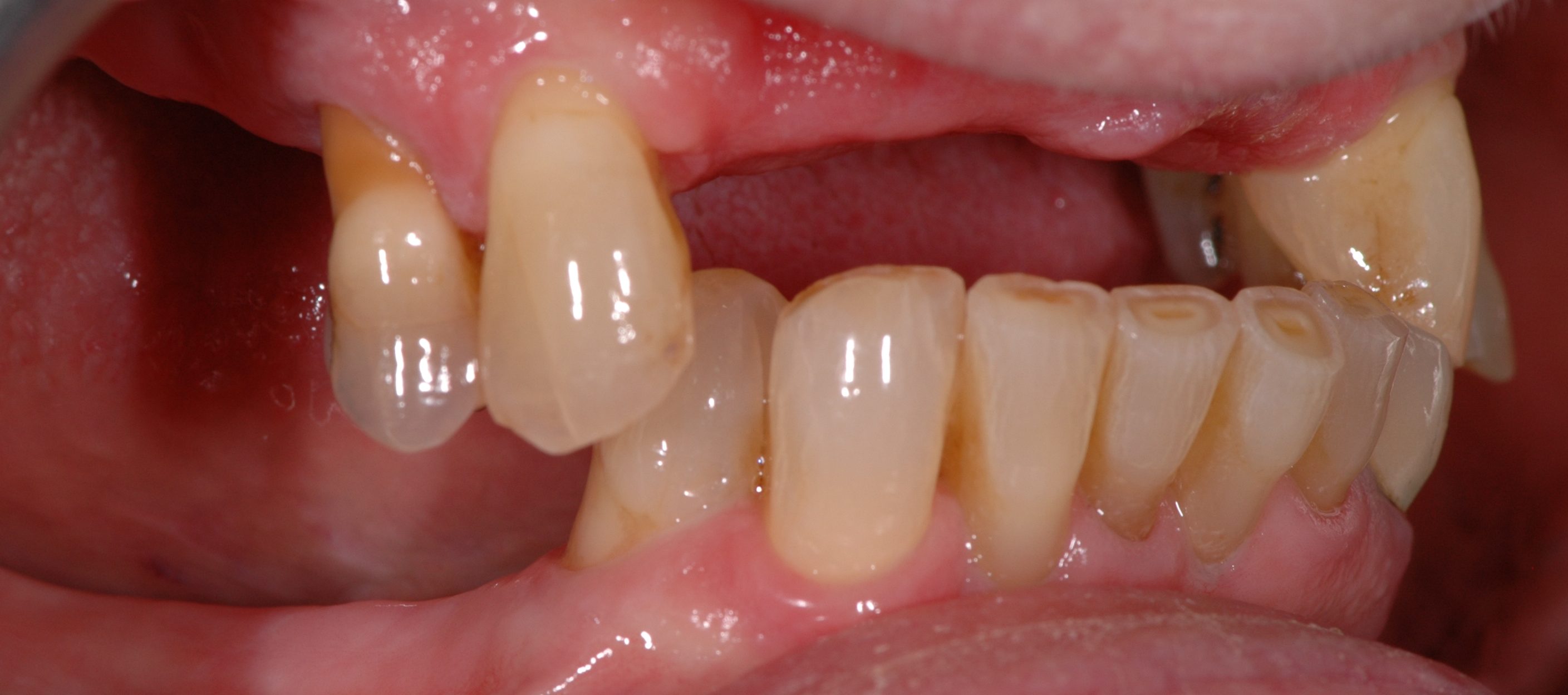
Photo showing how losing a tooth can affect face shape over time
Tooth loss can gradually change facial structure, even when the gap isn’t visible.

What Does Losing a Tooth Actually Do to Your Face?

The majority of people believe that missing teeth are merely a gap in the smile and a cosmetic concern.

However, that is just the start.

The appearance of your entire face can be altered over time by that one missing tooth. It’s not just about how your smile looks; it’s also about how your bite works, how your face is supported, and how your bones behave underneath the surface.

Why Your Teeth Are Essential to the Structure of Your Face

Your teeth serve more purposes than just chewing. Like internal scaffolding, they serve as structural anchors for your lips, cheeks, and jaw, keeping your face in place.

Chewing no longer applies pressure to the jawbone that held a missing tooth. That bone starts to resorb, or shrink. This may eventually alter the position of your face’s soft tissues.

The walls of a building will eventually begin to sink inward as the bricks behind it gradually disappear. The face experiences the same thing.

The Changes in Your Face That May Occur When You Lose a Tooth

  • Sunken cheeks: Particularly after losing back teeth (molars or premolars)
  • Flattened lips: Loss of front teeth reduces lip support
  • Wrinkles around the mouth: Skin loses internal support and tension
  • Jaw misalignment: When one side shifts to compensate for missing teeth
  • Overall facial asymmetry: Particularly with multiple missing teeth

Even if the missing teeth aren’t noticeable when you smile, these changes can cause a noticeably aged or changed appearance over months or years.

Bone Loss’s Contribution to Facial Collapse

Chewing no longer stimulates the surrounding bone after a tooth extraction. The body starts to break it down because it believes it is no longer necessary.

It doesn’t take years for this bone loss to start. It may begin in a matter of weeks.

Research indicates that during the first year following tooth extraction, up to 25% of bone width may be lost.

Why It’s Not “Just One Tooth”

The jaw functions as a single unit. The others adjust when one is compromised.

Teeth next to the gap might start to move or tilt. The bite shifts. The pressure moves to another place. You start chewing in a new way. Even the posture of the neck can occasionally be impacted.

The final solution for a missing tooth may become more difficult and invasive the longer it is neglected.

What Happens If You Do Nothing?

If you’ve lost a tooth — or know one may need to be removed — understanding what could follow helps you make informed choices.

There are different directions things can go:

  • Some people adjust without symptoms, but changes happen gradually
  • Some experience visible soft tissue collapse
  • Some develop bite issues, wear, or jaw discomfort over time

The earlier you understand the process, the more control you have over how it affects your health and appearance.

Synopsis: Important Information

Losing a tooth has an impact on the base of your face in addition to your smile.

Bone loss, bite collapse, soft tissue alterations, and facial ageing are all possible outcomes.

Early awareness helps maintain your long-term health, appearance, bite, and confidence.

Start by considering how losing a tooth will impact your face going forward when deciding what to do.

Posted in Uncategorized | Tagged , , , , , , , , , , , , | Leave a comment

Myth or Fact: Does Tooth Whitening Damage Enamel?

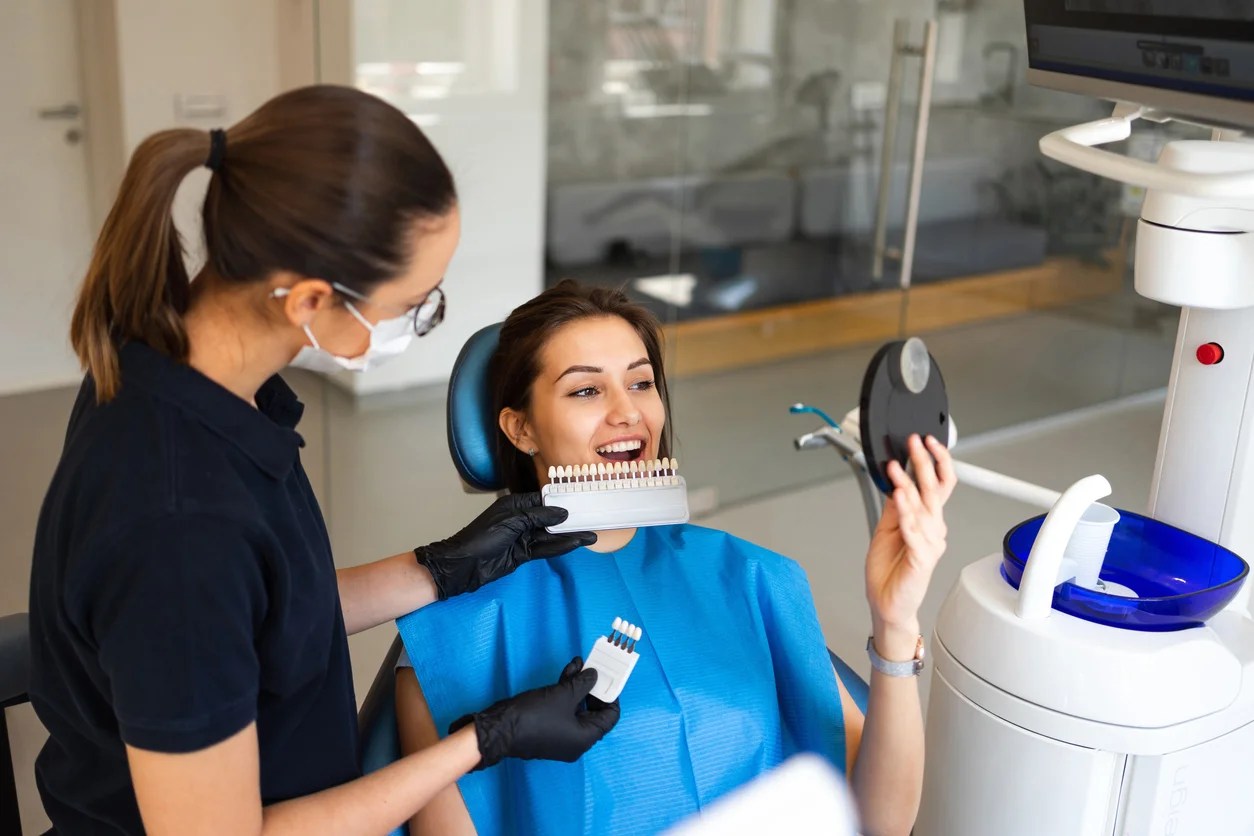
Patient receiving professional tooth whitening consultation at Christchurch Dental
Professional whitening at Christchurch Dental ensures safe, effective results without damaging enamel.

Myth or Fact: Does Tooth Whitening Damage Enamel?

Many of us dream of a bright, white smile. It can boost your confidence, make you look younger, and help you feel more attractive. Discoloured or stained teeth are often responsible for smile insecurities.

If you’ve been thinking about whitening your teeth but worry the process might damage them, I’m here to guide you. While there’s always a chance of sensitivity to the chemicals used, when whitening is carried out under the supervision of a qualified dental professional, the risks are greatly reduced — and it’s generally considered safe and effective.

When a patient visits Christchurch Dental asking about whitening treatments, the first thing we do is assess their teeth to make sure they’re healthy. It’s important to avoid whitening if you have untreated decay or dental problems.

Some types of staining respond better to whitening than others. If your stains are caused by external factors — such as tea, coffee, or red wine — whitening is usually very effective. However, if staining is due to medication or developmental defects (which tend to cause grey discolouration), whitening may be less effective.

It’s also important to understand that crowns, veneers, or false teeth will not whiten. If you already have restorations matched to your current tooth colour and then whiten your natural teeth, you may notice a visible mismatch.

There are many ways to whiten teeth, but results and safety vary. Some methods can cause lasting damage to your enamel if not used correctly.

Professional Whitening at Christchurch Dental

At Christchurch Dental, before starting your whitening journey, we will screen you for enamel defects, cracks, cavities, and any gum problems. This ensures you can achieve the results you want with minimal risk. We will then take a 3D scan using an intraoral scanner and create a precision, custom-made whitening tray just for you.

We use either Enlighten or Boutique Whitening gels — two of the most trusted UK brands for safe, regulated whitening. With your whitening overseen by one of our experienced clinicians, the chances of harm to your teeth and gums are greatly reduced.

What About Whitening Strips?

Whitening strips can be a reasonable alternative to dentist-prescribed whitening if used correctly. However, overuse or wearing them too long can lead to sensitivity, gum irritation, enamel erosion, and even permanent damage from the peroxide they contain. Always read and follow the instructions carefully.

Check the ingredients: avoid strips containing chlorine dioxide (a chemical used to disinfect swimming pools), as it can destroy tooth enamel.

The Dangers of DIY Whitening

Some people attempt to whiten their teeth at home using household products — but this can be disastrous. For example, baking soda is abrasive and can weaken enamel over time, causing sensitivity, while also being relatively ineffective.

Others have tried lemon juice or apple cider vinegar. Any acidic liquid will erode enamel and should absolutely be avoided.

Diet and Lifestyle: Natural Ways to Keep Your Teeth White

Improving your diet can make a big difference to the colour of your teeth. Tea, coffee, red wine, curries, and tomato-based sauces can all stain teeth — consuming these in moderation can help.

On the other hand, certain foods can help keep your smile white. Crunchy vegetables like apples, carrots, and celery increase saliva, helping remove bacteria and gently scrubbing away surface stains.

Quitting smoking will also have a huge impact. Nicotine and tar are major contributors to tooth discolouration.

Final Thoughts

If you’d like further information or still have concerns, our expert dental professionals are here to help. Come and have a conversation with us so you can make a confident, informed choice.

The Christchurch Dental team will reassure you that, when carried out properly, using safe, regulated materials under professional supervision, teeth whitening causes no permanent damage to your enamel, teeth, or gums.

Ready to brighten your smile safely? Our trusted team at Christchurch Dental can help you achieve whiter teeth without damaging your enamel.

👉 Click here to book your whitening consultation today.

Or learn more about our professional teeth whitening options, including Enlighten and Boutique Whitening, on our dedicated treatment page.

Posted in Uncategorized | Tagged , , , , , , , , , , , , , , , , , , , | Leave a comment

My Invisalign Journey – Blog 1

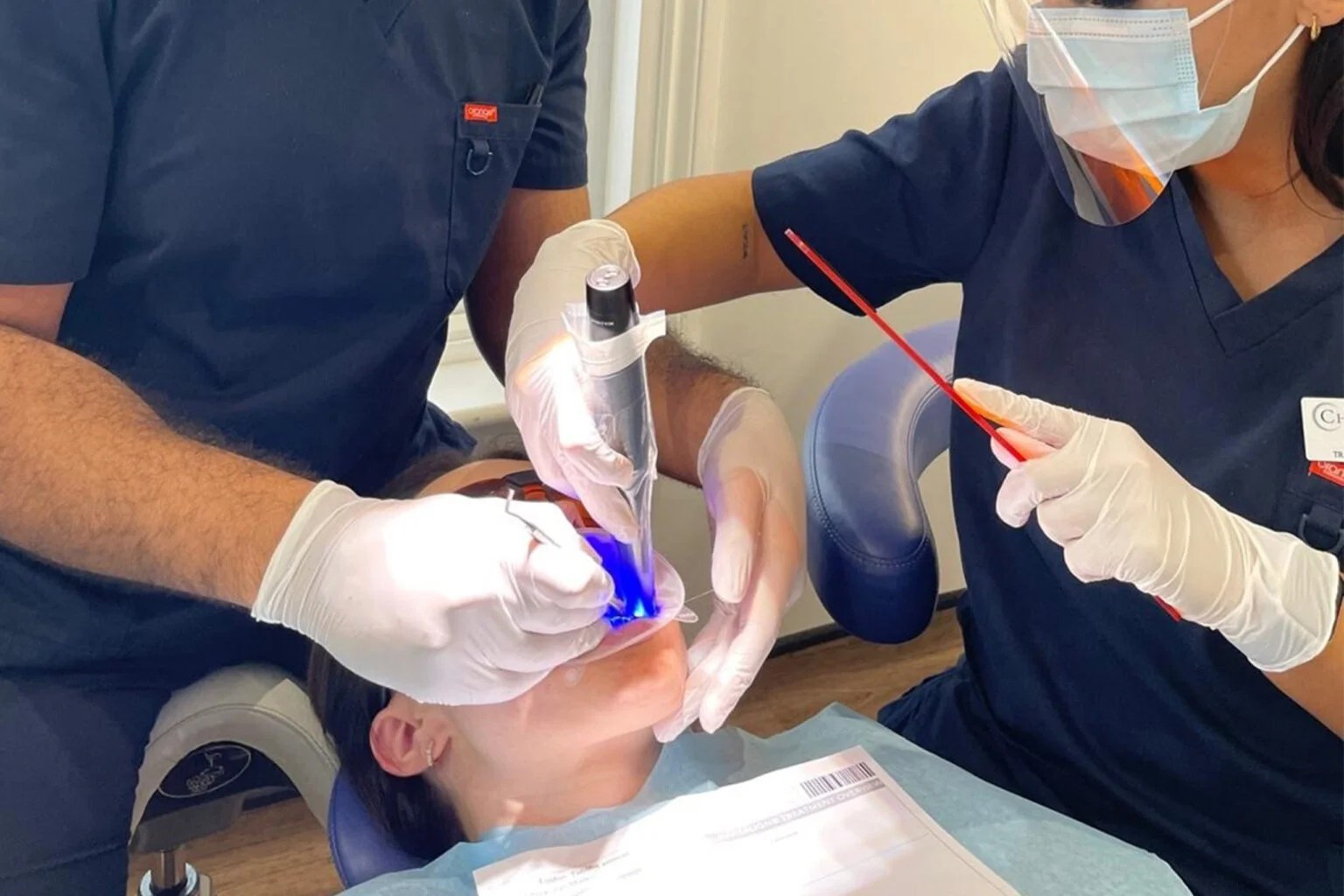
Nurse Tabitha receiving dental treatment at Christchurch Dental as part of her Invisalign journey
Tabitha, one of our nurses, starts her Invisalign journey as a patient at Christchurch Dental.

My Invisalign Journey – Blog 1

Hi Everyone!

It’s been just shy of a month since I started my Invisalign journey here at the practice. It’s something I’ve wanted to do for a long time — and after seeing so many amazing results, I finally thought it was my turn to be the patient!

At the time of writing, I’m currently in my fourth aligner and so far, so good.

For those who aren’t familiar, Invisalign is a clear aligner system that straightens your teeth. The aligners are removable, and you change them either weekly or every two weeks. Small tooth-coloured ‘attachments’ are placed on the teeth — these are what guide the teeth into the desired position.

Although I’ve seen many happy patients go through the Invisalign process, I was a little nervous about what the aligners would feel like and how they might affect my daily life: talking, sleeping, eating, etc. But Invisalign had already thought of this — the first set of aligners you’re given are essentially just clear retainers to help you get used to the feeling. There’s no tooth movement yet — it’s simply getting you comfortable with wearing aligners.

At the start of November, I visited Dr Abdullah’s surgery, where he placed the attachments on my teeth. The number and location of attachments vary depending on your case. These attachments are essentially small pieces of tooth-coloured filling material that are placed into the aligner, which is then fitted onto the teeth. Once set, they remain on the teeth to help guide movement throughout the process.

Once my attachments were placed and my aligners fitted, my Invisalign journey officially began! In just over 20 weeks (if all goes to plan), my treatment will be complete.

During the first week, my teeth felt a bit delicate — especially when I wasn’t wearing my aligners — which motivated me to be very compliant with wearing them for 22 hours a day! Since then, my teeth have only felt tender on the days I switch to a new aligner, but this is expected and settles quickly.

I’ll be documenting my Invisalign journey here in the Christchurch newsletter and on our social media pages, so keep an eye out for updates over the next few weeks!

– Tabitha

Posted in Uncategorized | Tagged , , , , , , , , , , , , , , , | Leave a comment

Causes of a Metallic Taste in Your Mouth

Causes of a Metallic Taste in Your Mouth

Concerned patient discussing metallic taste with dentist at Christchurch Dental
Discussing taste changes with your dentist can help identify the cause.

It can be unsettling and frustrating to have a constant metallic taste in your mouth. But in most cases, it’s nothing to panic about — and often reversible.

In many situations, the taste disappears on its own once certain medications are stopped or lifestyle factors change. Occasionally, however, it can be a sign of an underlying or undiagnosed condition.

If you’re otherwise healthy, there’s usually a simple explanation — and at Christchurch Dental Practice, we help you work through the likely causes so you can set aside unnecessary worry.

The medical name for distorted taste, including a metallic taste, is dysgeusia. When there’s a complete loss of taste, it’s called ageusia.

Let’s look at the most common reasons behind metallic taste.

Medications

The most common cause is a side effect of medications.

Common culprits include:

  • Some antibiotics (such as metronidazole or clarithromycin)
  • Metformin (used for diabetes)
  • Chemotherapy or radiation treatments
  • Antidepressants
  • Certain heart medications

If you notice the metallic taste soon after starting a new prescription, it’s worth contacting your GP or pharmacist. Sometimes, a change in dosage or medication can help.

Poor Oral Health

Good oral hygiene is essential — brushing twice daily for two minutes, using floss or interdental brushes, and keeping up with regular dental check-ups and hygienist appointments.

At Christchurch Dental, we provide tailored advice to help you improve and maintain your oral health. Our dentists and hygienists take the time to understand your specific concerns and recommend the best tools and techniques for you.

For example:

  • Are interdental brushes better for you than floss?
  • Should you be using a manual or electric toothbrush?
  • How hard should you be brushing?
  • Where might you be missing in your daily routine?

A metallic taste can sometimes be an early sign of:

  • Bacterial infections (like gingivitis or periodontitis)
  • Fungal infections (such as oral thrush)
  • Dry mouth (often caused by medications like antidepressants)

Many of these conditions improve with better oral hygiene and appropriate treatment.

At Christchurch Dental, we take pride in offering first-class care — giving you the time and attention you need to get your oral health right.

Sinus Issues or Sinusitis After a Viral Infection

Because the mouth and nose are closely linked, sinus problems can affect your sense of taste.

Viral illnesses like the common cold, allergies, COVID-19, and ear infections can all lead to altered taste sensations.

These symptoms usually resolve within a few weeks, but if they persist, it’s a good idea to consult your GP.

Pregnancy

Interestingly, a metallic taste is often one of the first signs of pregnancy, caused by hormonal shifts, particularly in the first trimester.

The good news is, this usually fades as the pregnancy progresses.

When Should You Seek Help?

While most causes of a metallic taste are harmless and temporary, it’s important to seek advice if:

  • The taste persists for more than two weeks
  • You experience other concerning symptoms
  • It’s affecting your appetite or enjoyment of food

Your dentist or GP can help determine if further investigation is needed.

At Christchurch Dental, our experienced team is here to help you identify if the problem is dental-related — and get you back on the right track.

Need Advice? We’re Here to Help

If you’re concerned about a persistent metallic taste or want a full oral health check-up, we’re here for you.


👉 Book your consultation today and let’s make sure your mouth is as healthy and comfortable as it should be.

Posted in Christchurch Dental Practice, Oral Health, Patient Advice | Tagged , , , , , , , , , , , , , , , , , , , | Leave a comment

The True Cost of Invisalign Explained: What You are Really Paying For

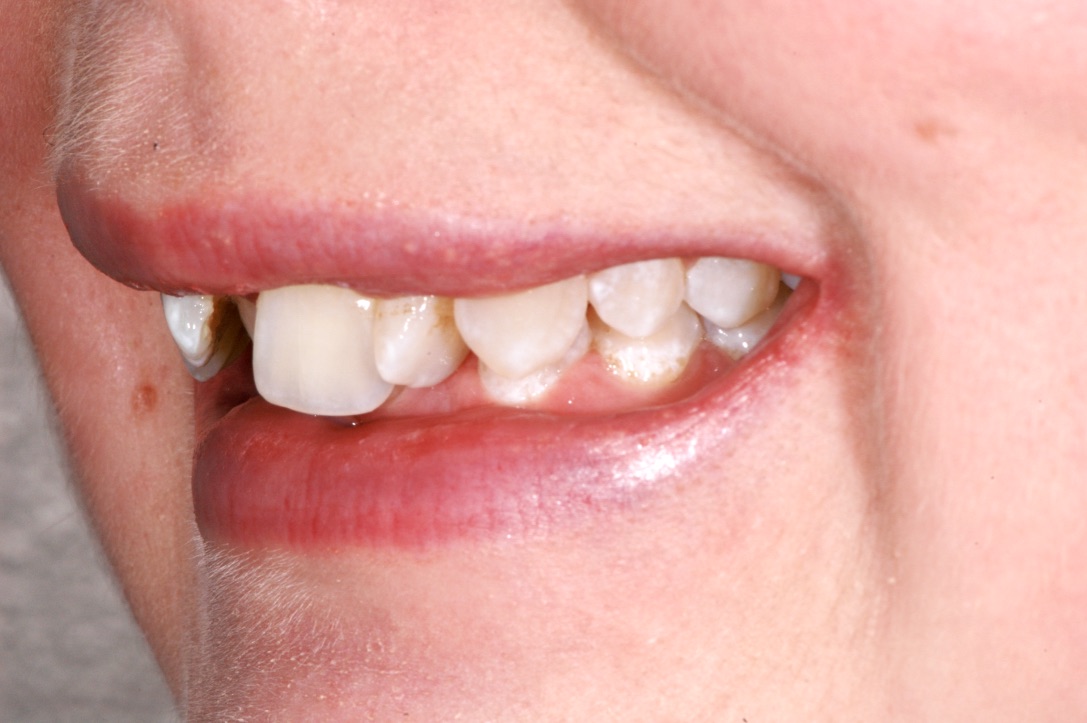
Before Invisalign treatment – dental crowding and misalignment
After Invisalign treatment – straight, aligned smile

The True Cost of Invisalign Explained: What You are Really Paying For

Ever wondered how we decide the cost of our Invisalign treatment?
At Christchurch Dental Practice, we believe in complete transparency, so you can make informed decisions about your smile transformation. Let’s break down the factors that influence the price of Invisalign and why it’s an investment in your health, confidence, and long-term wellbeing.


What Affects the Cost of Invisalign?

The cost of Invisalign varies from patient to patient because every smile is different. Here are the key factors that determine your treatment cost:

1. Case Complexity

A mild crowding issue is faster and easier to treat than a complex bite or spacing problem. Complex cases often require more aligners, more time, more refinements and adjustments—leading to a higher cost.

🦷 Think of it like building a house: the more structural work needed, the more time, expertise, and planning it takes.

2. Dentist’s Experience & Treatment Planning

While the Invisalign aligners themselves come from the same manufacturer, the treatment is not the same from every provider.  There are two types of Invisalign provider within the dental sector, Invisalign Comprehensive (very experienced and able to treat the majority of cases) and Invisalign Go (limited in scope and teeth to treat, a more basic application).

At Christchurch, your treatment is custom-designed by an experienced, Comprehensive  Invisalign-certified dentist with over 15 years experience of creating perfectly aligned smiles.  This vast experience means we don’t just click “approve” on the plan—we meticulously customise every stage of tooth movement for the best possible result, taking into account aesthetics, bite function and long-term stability.

What you’re really paying for isn’t just plastic—it’s expertise, precision, and predictable outcomes.

3. Number of Aligners, Refinements & Monitoring

More aligners = longer treatment time and more review appointments. We build refinements into your plan as standard to perfect the result, so during your journey we have the ability to adjust your treatment plan so you achieve your perfect smile.

We also include Dental Monitoring—a powerful AI-supported remote tracking system—so you can complete your Invisalign treatment with fewer in-person visits, faster results, and real-time support from our team. It’s ideal for busy lifestyles or those who travel.

📱 Think of it as having your Invisalign progress monitored weekly—without needing to step into the practice.

4. Technology & Workflow

We use cutting-edge technology at every stage of treatment:

  • Intraoral scanners
  • CBCT imaging, where appropriate
  • Digital smile design and photography
  • Dental Monitoring, as mentioned

This allows us to plan your treatment with millimetre-level accuracy and integrate Invisalign with whitening, bonding, or restorative work for a fully aesthetic, functional result.

5. Whitening & Retainers

We include professional tooth whitening in every Invisalign package, so you finish treatment with a bright, healthy-looking smile—not just straighter teeth.

At the end of your Invisalign journey, you’ll receive Vivera retainers—the gold standard in post-treatment retention. These are premium-quality, 3D-printed clear retainers made by Invisalign themselves (not metal wires glued to your teeth), designed to last longer and feel more comfortable.

🦷 Three sets of Vivera retainers are included in your package, so you’re covered for years to come.


So, How Much Does Invisalign Cost at Christchurch?

We offer a transparent pricing structure:

Treatment Type Cost (from)
Mild Invisalign (Express) £1,850
Moderate Invisalign (Lite) £3,250
Comprehensive Invisalign £4,200–£4,800

All packages include:

  • Full diagnostics (photos, digital scans, X-rays if needed)
  • Custom aligners
  • All refinements and reviews
  • Dental Monitoring remote check-ins
  • Professional tooth whitening
  • Three sets of Vivera retainers
  • Post-treatment care and monitoring
  • The personal services of a Treatment Co-ordinator, there to answer any of your questions or concerns and to schedule your treatment.

No hidden extras. No surprises. Just results.


Why Choose Us for Invisalign?

Most patients don’t realise this, but Invisalign results vary dramatically depending on who’s behind the plan.

At Christchurch Dental Practice:

  • We treat you, not just your teeth.
  • We refine every case until it’s perfect.
  • We use the best technology, from scanners to remote monitoring.
  • We include tooth whitening and Vivera retainers as standard.
  • As an Invisalign Comprehensive Provider, we are trained in advanced, aesthetic, and functional cases, including bite correction and smile makeovers.

Ready to Transform Your Smile?

Start with a no-obligation consultation. We’ll scan your teeth, simulate your future smile, and give you a personalised plan—no pressure, no hard sell.

👉 Book your Complimentary Invisalign Consultation Today!


✅ Related Reading:


🧠 SEO Meta Title:
How Much Does Invisalign Cost? | Transparent Pricing Explained

Posted in General Dentistry, Invisalign, Invisalign costs, Treatment guides | Tagged , , , , , , , , , , , , , , , , , , , , , , , | Leave a comment

Fifteen

In 2002 I found what was then Ringrose and Wright, a small, family dental practice in Ipswich, Suffolk.  I had been working for five years in large practice in North Essex, where I gained the experience and knowledge and skills to move on and grow.  Like all young dentists of the time, I wanted to be my own boss and owning my practice was the next big step.

I found R&W as they were retiring and made the purchase.  This was a very big deal to me and started with doing everything myself.  Decorating, dentistry, planning, HR, wages, ordering and managing the business.

I want to use this year and this blog to talk and remember this small little business and the influence it has had on mine and my family’s lives.  The people who built it and staffed it.  i would like to meet anyone who was either a patient or staff member of Ringrose and Wright or now Christchurch, to hear their stories.

So Christchurch Dental Practice is 15 years old this year.

Posted in Uncategorized | Tagged , , | Leave a comment

Confident Smiles

GB1_6845The Best patients are the keen and enthusiastic ones.  Those clients that come bounding up the stairs all smiles.  They are excited and motivated, with sparkling teeth and healthy mouths.  My team and I are always looking forward to see them!  These are usually our patients who are in braces. Continue reading

Posted in General Dentistry | Tagged , , , , , , | Leave a comment