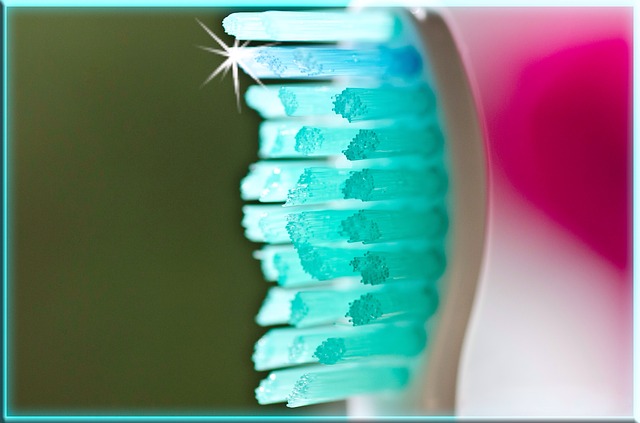
Tooth Brushing – Straight from Your Dentist’s Mouth
Brushing your teeth is something we do every day, but you’d be surprised how often I’m asked at the practice how to do it properly — or whether people are doing it right in the first place.
Here’s what I tell my patients, straight from the chair.
How often?
Brush twice a day — ideally after breakfast and before bed.
If you brush before breakfast, rinse afterwards or chew sugar-free gum to help neutralise any food acids.
How long?
Two minutes.
That’s about 30 seconds for each quarter of your mouth. If your toothbrush has a built-in timer, make use of it. Otherwise, watch the clock or put on a two-minute song.
Technique
Manual toothbrush:
Choose one with a small head and soft bristles. Hold the brush at a 45-degree angle to your gum line and use small, gentle circular motions. No scrubbing — brushing too hard can wear away enamel and cause gum recession.
Electric toothbrush:
Let the brush do the work. Slowly guide it across each tooth surface — along the outside, inside, and chewing surfaces. Take your time.
What about toothpaste?
Use fluoride toothpaste — it helps strengthen enamel and protect against decay.
Be cautious with whitening toothpastes: many are abrasive and can wear enamel over time.
If your teeth feel sensitive, switch to a sensitive formula for a few weeks and let us know at your next visit.
Don’t forget between your teeth
Floss, interdental brushes, or water flossers — whatever works best for you. Around 40% of plaque lives between the teeth, and brushing alone won’t remove it.
We’ll happily show you what works best for your mouth next time you’re in.
Common mistakes
- Scrubbing too hard or using a hard-bristled brush — both damage the gums and enamel.
- Brushing straight after acidic food or drink — wait at least 30 minutes if you can.
- Not replacing your toothbrush often enough — change it every three months or when the bristles start to fray.
Electric or manual?
Both can be effective with the right technique, but electric brushes make things easier — especially for people with limited dexterity or if you’re prone to brushing too hard.
Oscillating-rotating heads and sonic brushes both have strong evidence behind them. Ask us if you’re unsure what to use.
Final thought
Good brushing isn’t about brushing harder — it’s about brushing better.
If you’re unsure whether you’re doing it right, bring your toothbrush to your next appointment. We’ll take a look at your technique and give you tips if needed — no judgement, just helpful advice.
Last updated: August 2025
Want to know more?
Visit us at:
🔗 http://www.christchurchdental.co.uk
 Christchurch Dental Practice Blog